
THE NIGHT BEFORE
The night before Gabriel was taken, I read to him at bedtime.
Just before sleep, he said: "Mum, do you have a nice bookmark?"
I said yes. "You've got the one you made me when you were three."
I have carried that bookmark in my pocket every single day since.
I did not know, in that moment, that stories and bookmarks and books were going to become the purpose of our lives. That what happened next would reach children across four continents. That the thing Gabriel asked me about on his last night at home would become the thing that held us together.
But it did.
WHERE IT CAME FROM
My grandfather was a storyteller from Bradford i UK. No book required. Just his voice and my wide-eyed attention.
My mother read to my brother and me every night until the end of junior school. Even after we could read ourselves, she kept that ritual. Storytelling was something we did together.
When Gabriel came along, I continued it. We never stopped reading together. In the car, instead of a screen, Gabriel was the audiobook DJ. He chose what we listened to. We experienced stories together.
Storytelling was not a strategy I invented. It was three generations deep.
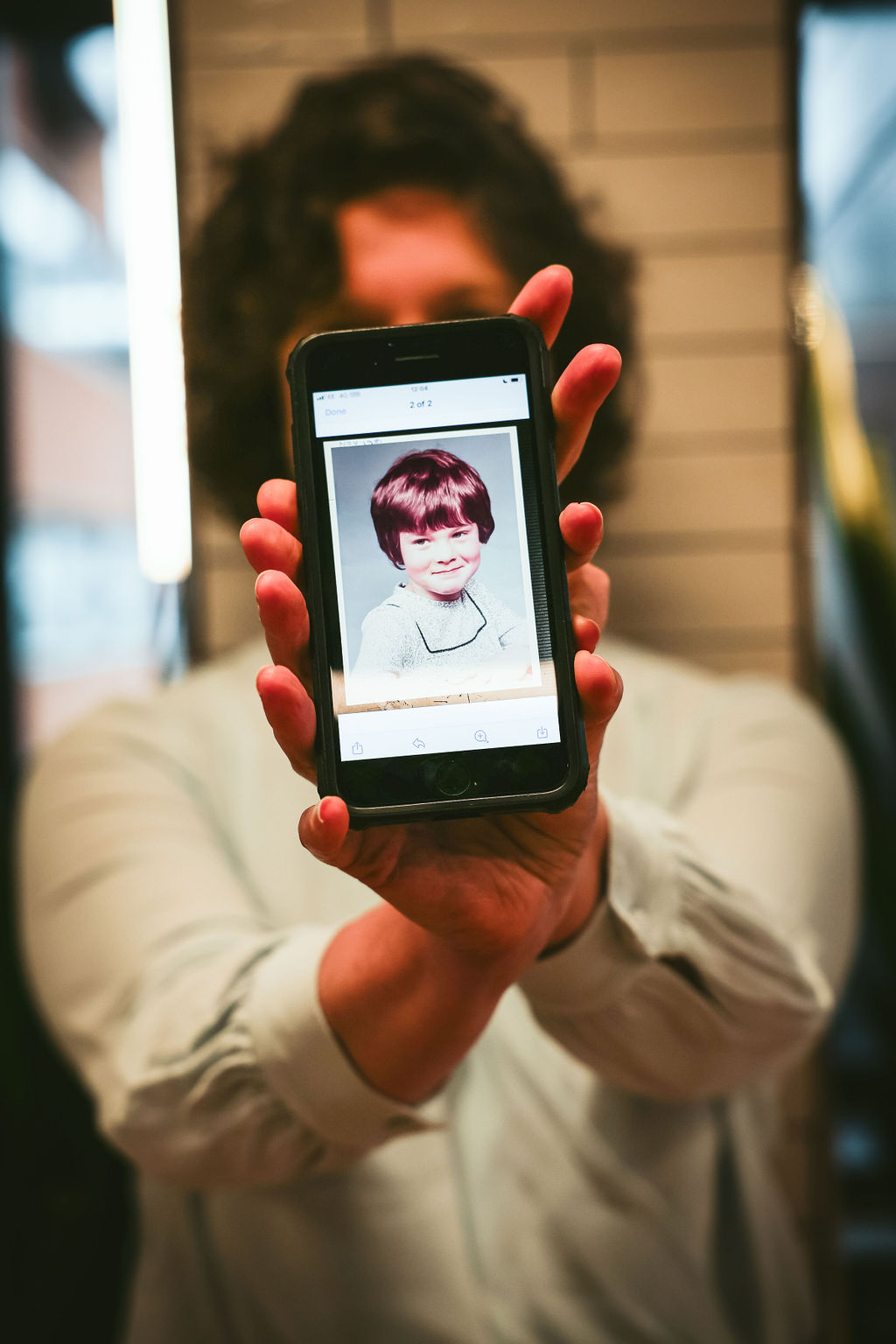
THE SEPARATION
I am a former physiotherapist and a sportswoman.
For twenty years I used clinical listening as a diagnostic tool. But physical activity was always my natural language. Movement. Sport. The kind of shared physical experience that builds confidence and connection between a parent and child.
The family court took all of it.
You cannot kick a ball through a phone screen. You cannot swim together or walk side by side or sit in the same room. The one hour I had each week was a FaceTime call. A screen. A voice.
Every physical tool I had as a parent and as a clinician was removed simultaneously.
I had to find what voice could do without a body present.
The legal system had painted a picture of me. I did not accept the painting.
I asked Gabriel: would you like to create a story where you are the hero?
He said yes.
THE FRIDAY NIGHTS
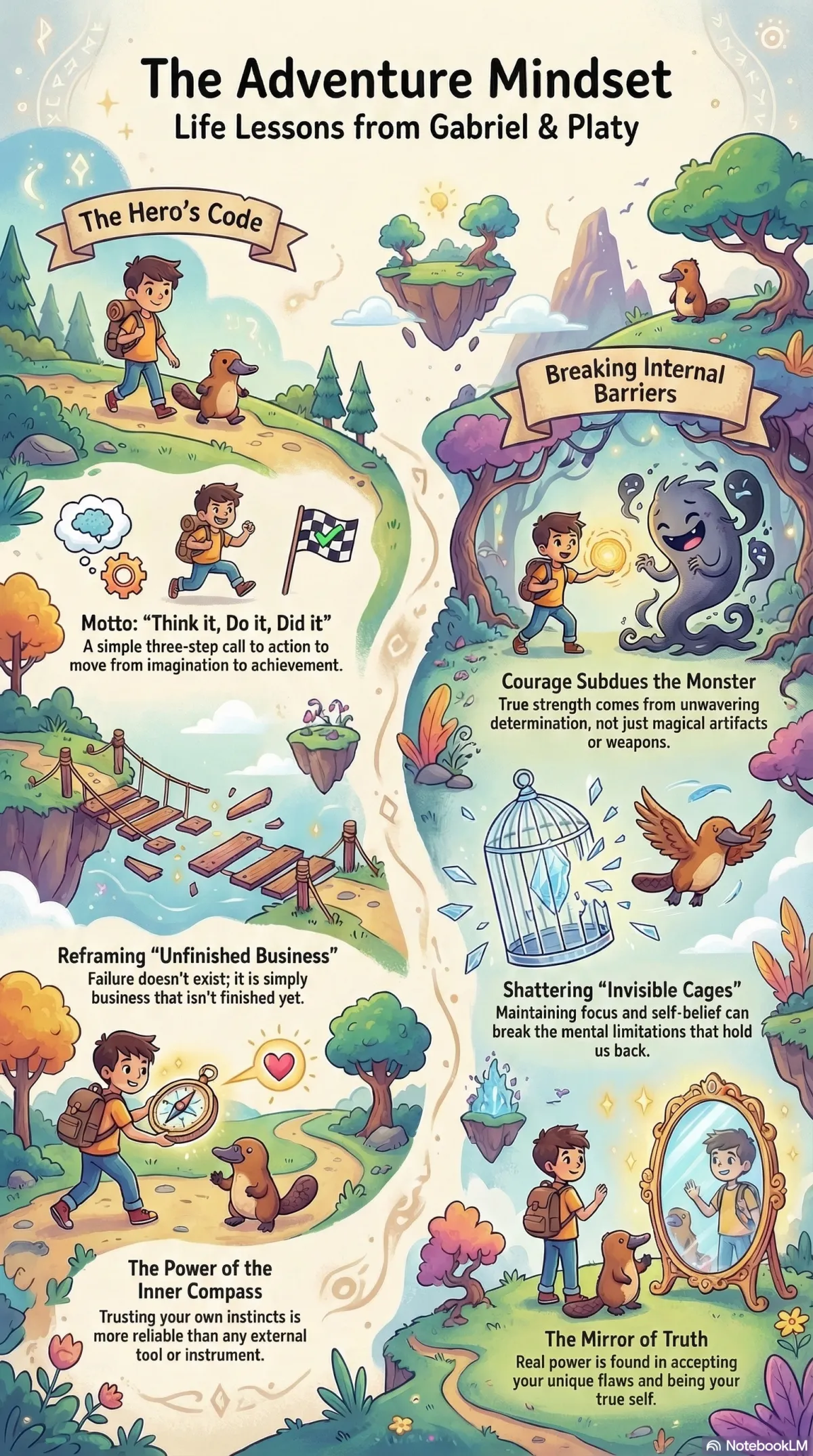
Every Friday for twenty-two months, Gabriel told stories. I asked questions. I wrote down every word.
No corrections. No templates. No "that doesn't make sense." Just: tell me more.
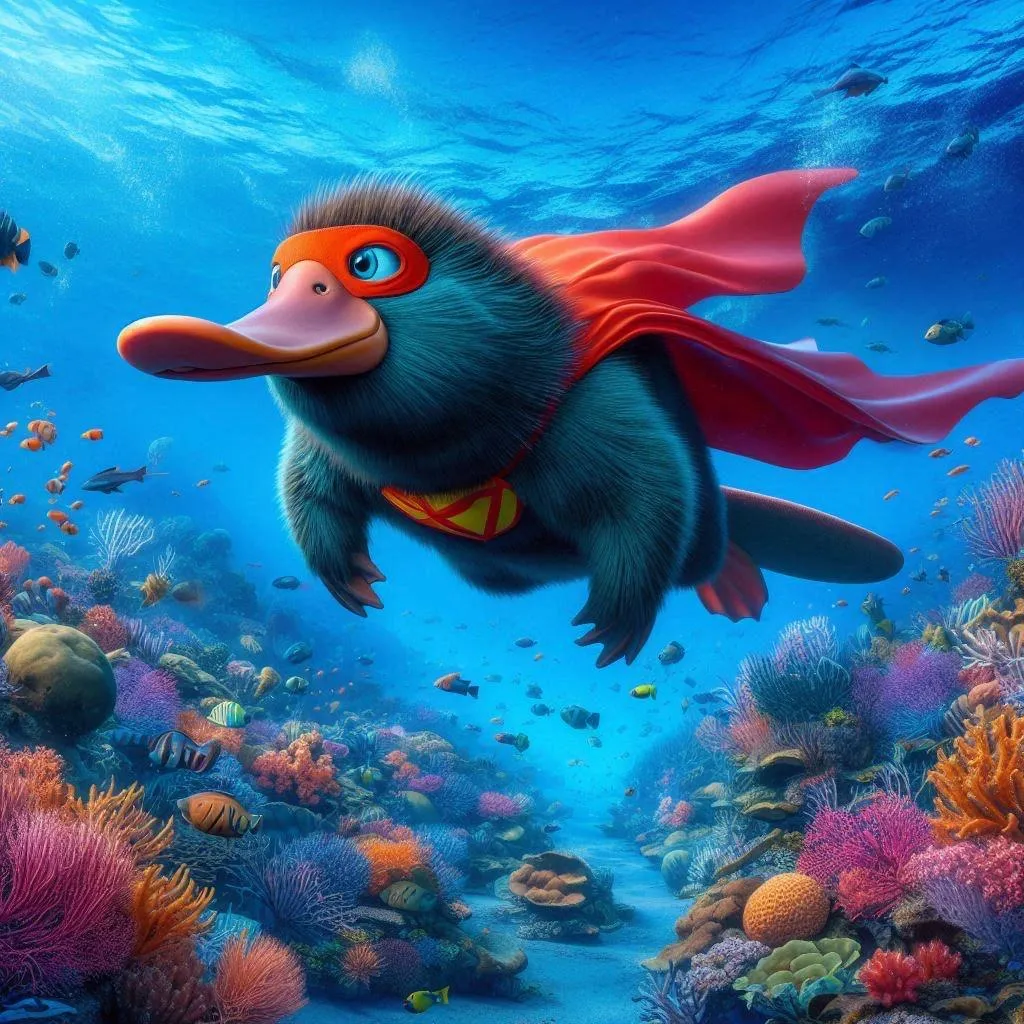
He invented Platy, an electric platypus who had absolutely no respect for the idea that some things were impossible.

He invented Coral Cove, the bustling seaside village where every character has a story worth telling.
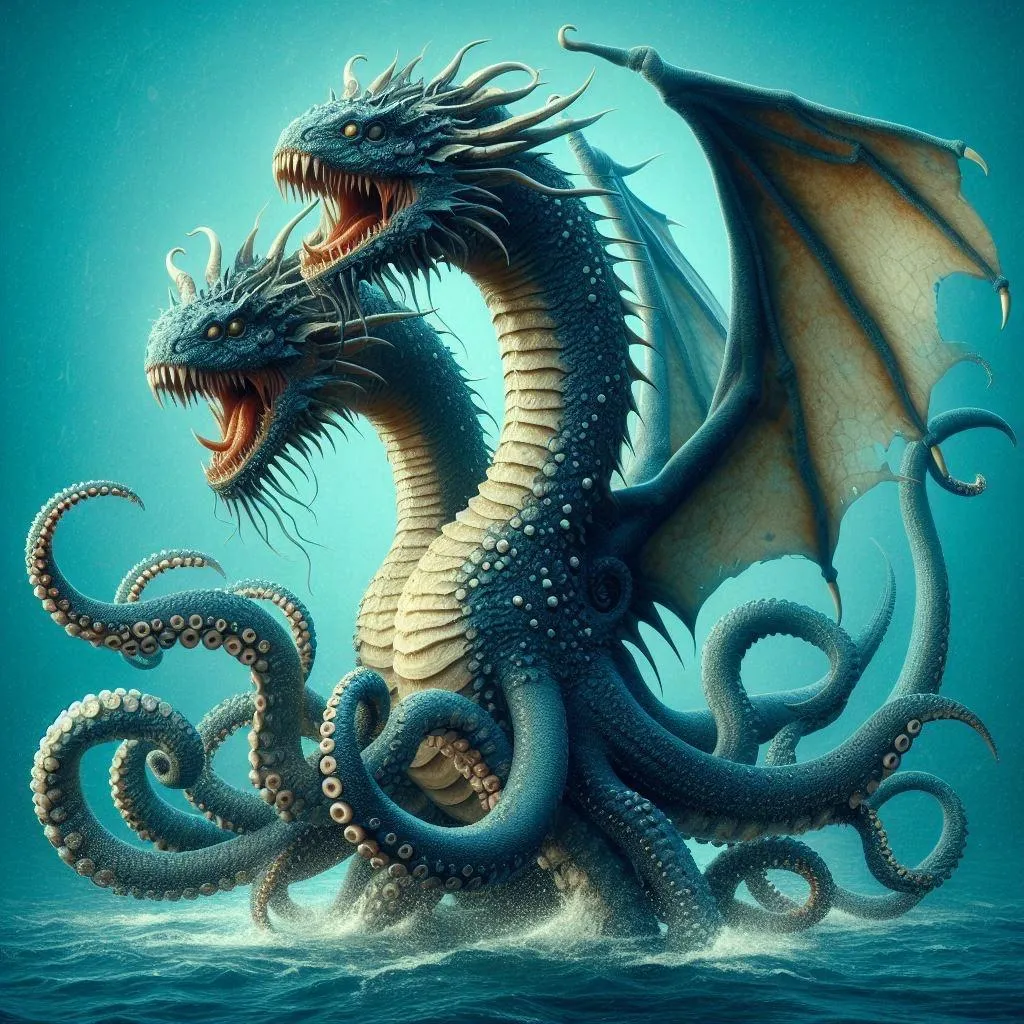
He invented the sea monster Tentaculus, and looked it directly in the eye rather than run.
Those Friday sessions were not about literacy. They were about survival. About proving to Gabriel that his voice mattered when everything else felt out of our control.
I wrote down every word proving I existed as his mother. He spoke every word proving he existed as my son.
We are real because we believe we are real. No painted prison, no system, no judgement, no legal order, can contain a consciousness that believes absolutely in its own reality.
WHAT HAPPENED TO GABRIEL
Something unexpected happened over those +24 months.
Gabriel got more confident. Not because I told him to. Not because anything external changed. Because every week, someone wrote down what he said and treated it as real.
Book 1 was a collection of short stories. By Book 2 he was crearting one complete narrative. By Book 3 he was editing.
"He got a lot more confident," I told Lisa on the podcast. "Which is exactly what we see in the children. Once they can express themselves, they get a lot more confident about what is possible."
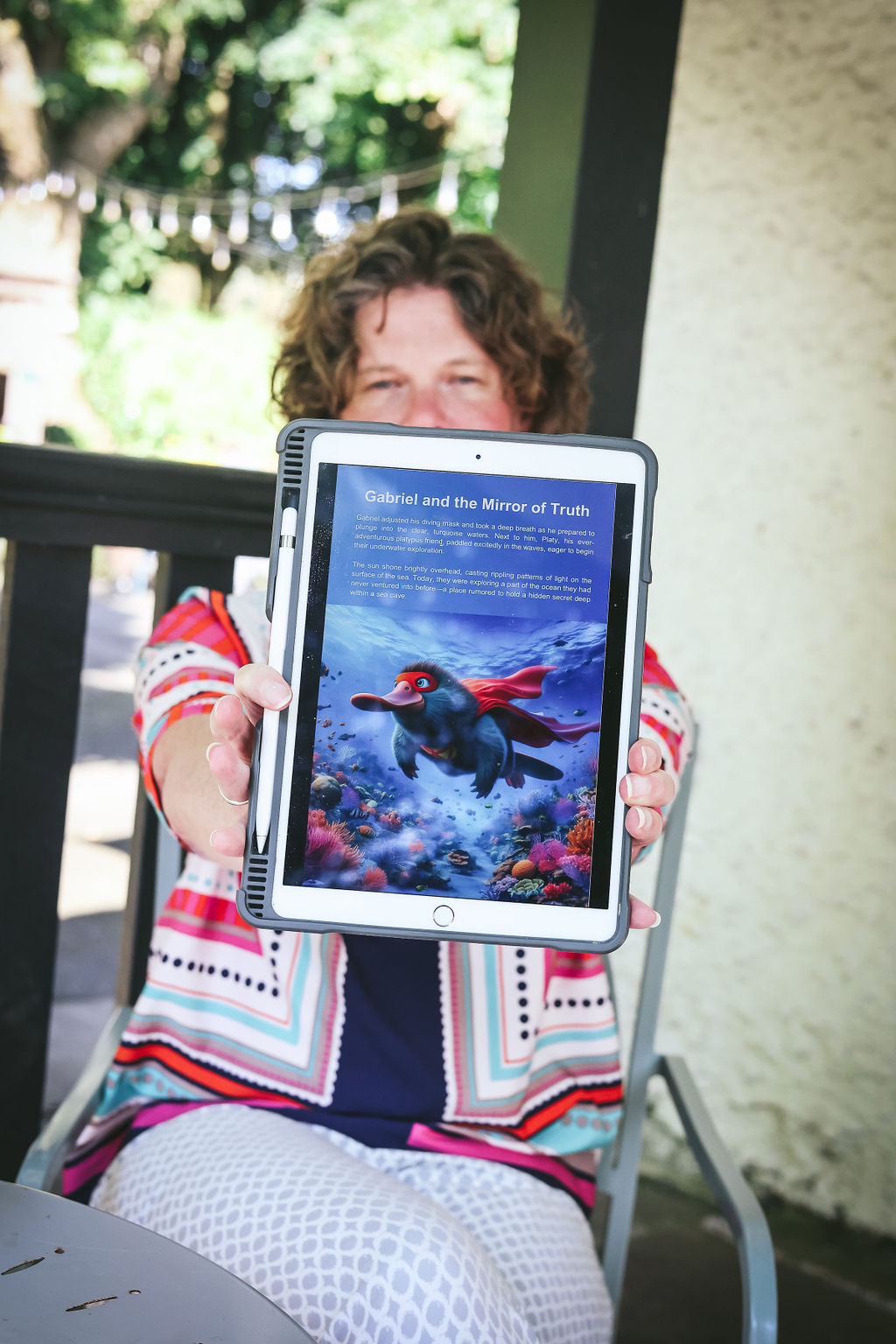
Those Friday nights became two Amazon number one bestsellers. Before Gabriel was twelve. Published in the United States, the United Kingdom and Canada.
WHAT I DISCOVERED NEXT
Teachers started asking: how did you do this?
I took the same question into schools: Would you like to be the hero of your own story?
465 children across nine UK schools. 100% engagement. Zero behavioural incidents.
I conducted a Classic Grounded Theory research study across 318 children and asked them one question: what was it like to be the author of your own story?
The same seven things happened. Every time. Across every school. Regardless of age, background, or prior engagement with writing.
The Seven Self-Leadership Transformations:
1. Fun: "So much more fun than any English we've done."
2. Freedom: "This time you're more free."
3. Imagination: "I was in a different world."
4. Challenge: "Hard but worth it."
5. Pride: "I couldn't believe I wrote such a long story."
6. Discovery: "I didn't know I had so many stories inside me."
7. Self-belief: "I believed in myself."
These are not outcomes. They are self-leadership outcomes. The difference matters.
Fifty years of developmental psychology, Dweck, Bandura, Csikszentmihalyi, Deci and Ryan, Vygotsky arrived independently at the same conclusion: when children are given narrative autonomy.
The same leadership qualities alos happened in Gabriel's world before we read a single paper.
You cannot manufacture a real mother and child who invented a world and a process that accidentally validated fifty years of developmental psychology.
WHY THIS MOMENT
In an AI world, success belongs to children who think for themselves, communicate across difference, and handle complexity with confidence, owning their own sense of identity.
Every piece of content they consume is quietly telling them what is beautiful, what matters, who is worth being.
A child who has authored their own story is immune to this in a way a child who has only consumed others' stories is not. They know the difference between a story handed to them and a story that came from inside them.
Self-leadership is not resilience. Self-leadership is leading yourself forward. Knowing what you believe before the world tells you what to think.
StoryQuest does not teach children to resist algorithms. It does something simpler and more powerful: it asks them who they believe they are.
WHERE I AM NOW
II am still in this. Not looking back at something I built and resolved. Working on it now, from inside the constraint that gave birth to it.
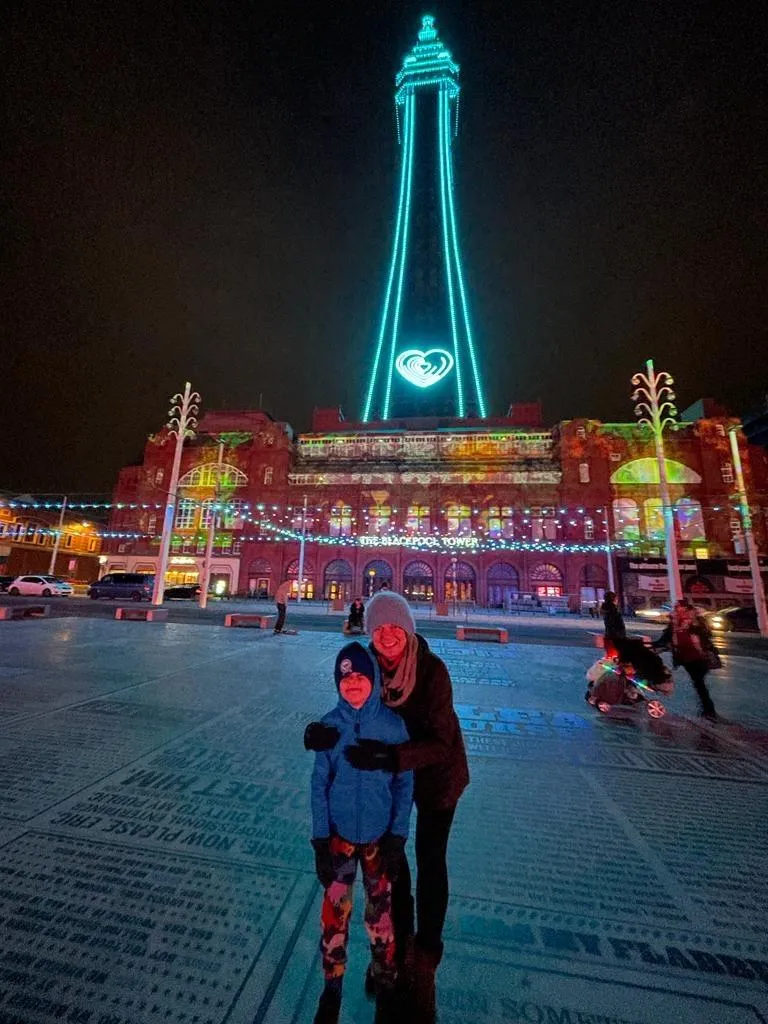
Not long ago, I walked went a shop to buy a gift. Gabriel was there . By chance. On the same street. Same moment.
I hugged him and hugged him and hugged him and hugged him.
In some ways it felt like two years hadn't happened, the relief was enormous. I felt him hug me back. I felt his certainty in me, as much as I could give him certainty through my hug.
The work continues because it has to.
I am the creator of the StoryQuest Private Members Club. I am the woman who believes the most important thing a parent can do is hear their child's story before the world teaches the child to edit it.
The work I am proudest of is not a bestseller. It is the boy showed up every Friday nights and did not once ask if it was good enough.
What do I most want Gabriel to know,? That he is dearly loved.
CREDENTIALS
➤ Former award-winning physiotherapist · twenty years clinical experience
➤ Co-author · The Adventures of Gabriel · Amazon Bestseller US, UK, Canada
➤ Founder · StoryQuest Global
➤ British Psychological Society presenter
➤ Accepted to speak · European Conference on Education · Barcelona Conference on Education
➤ Evidence submission · UK Parliament · Public Accounts Committee 2025
➤ UK Parliament · evidence submission
➤ BBC News · Times Radio
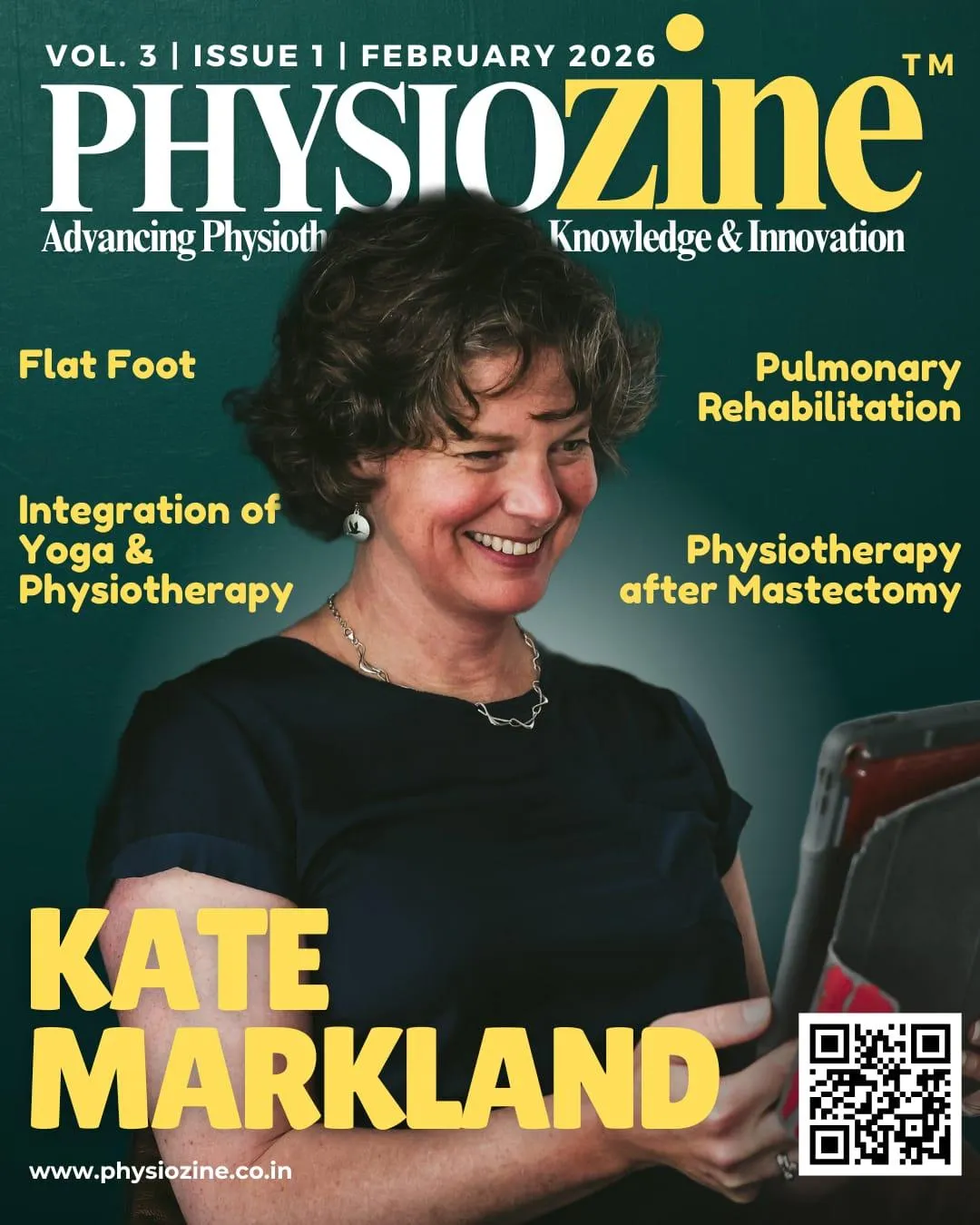
➤ PhysioZine India front cover
➤ PhysioTimes Women in Leadership Award
➤ Named as a Physiotherapy Icon · PhysioTimes 100th Edition · PHYSIOTHERAPY ICONS initiative
➤ Business Person of the Year
➤ Most Loved Clinic Award UK
➤ UNICEF · methodology considered for the global Inspiring Playful Parenting campaign
➤ 465 children · 9 UK schools · 100% engagement · zero behavioural incidents
➤ CGT evaluation · 318 children · seven self-leadership markers identified
➤ Published · Journal of Novel Physiotherapy and Rehabilitation · 2024
SPEAKING
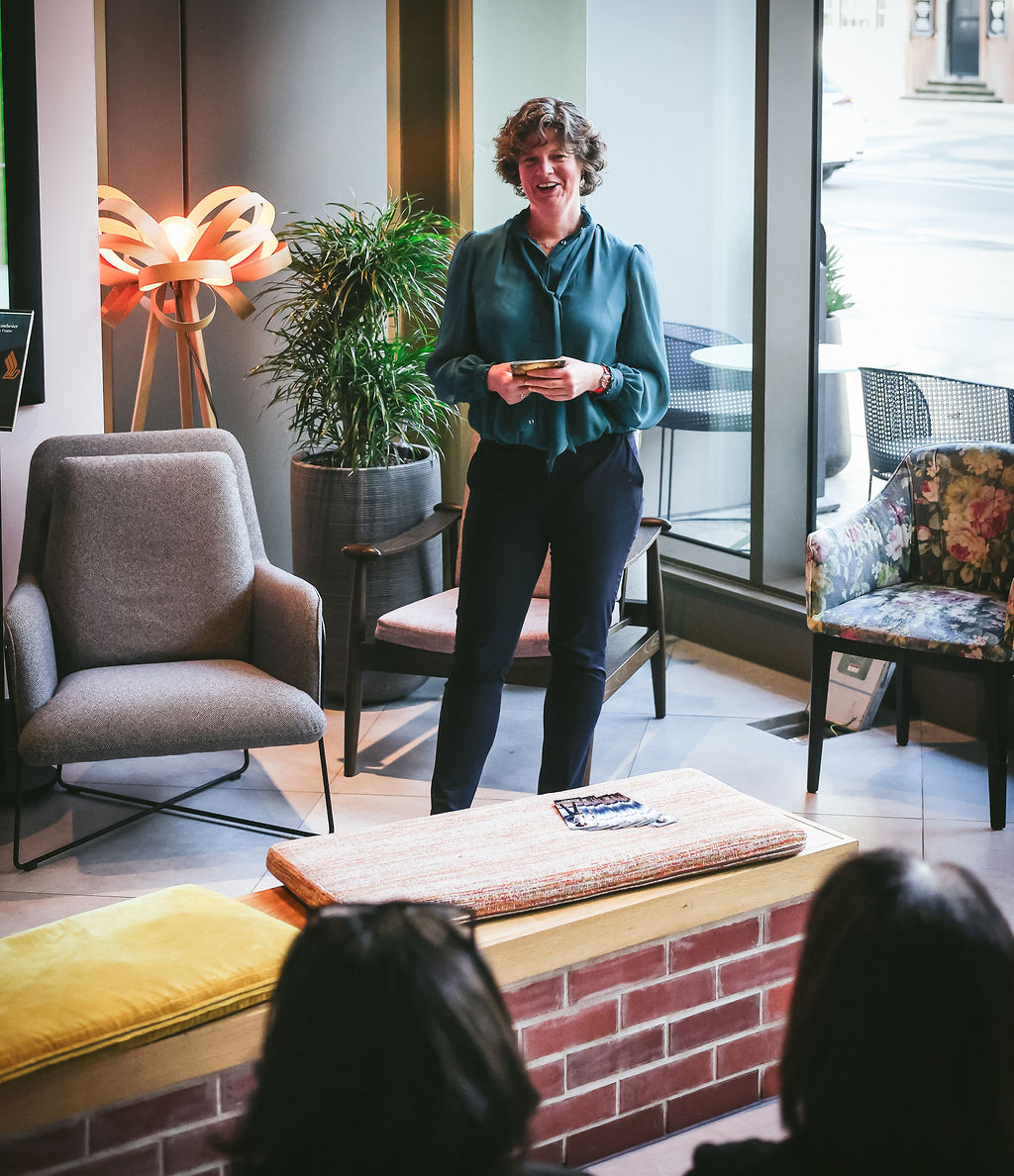
Kate speaks on children's narrative autonomy, the connection between creative voice and self-leadership, and building a movement from constraint to victory.
Topics include:
➤ Why children stop writing and what actually reverses it
➤ The clinical listening principles that unlock a child's creative voice
➤ Seven self-leadership markers that emerge through storytelling
➤ How a Friday night FaceTime became two Amazon number bestsellers
➤ The painted prison: how systems paint false pictures and how you and your children can refuse the painting
➤ The mutual rescue: of a mother and son
➤ Building a movement from constraint: adversity to agency
➤ What happens when a child who knows their own reality discovers their belief can save others
READY TO GIVE US A TRY?
THE BOOKS
Book 1 of The Adventures of Gabriel is free, you pay only the postage.
WHAT WE LOST. AND WHAT WE GOT
We lost time together that we cannot get back.
But here is what we got that we would never have had otherwise.
Gabriel's creative world is entirely his. Because I could not physically direct him, he had to direct himself completely. Coral Cove is his.
The methodology works under maximum constraint. Which means it works everywhere. If it works when the only tool available is voice through a screen for sixty minutes a week, there is no condition under which it does not work. The hardest possible conditions produced the most universally applicable proof.
The books exist because the separation existed. Two Amazon number one bestsellers. Permanent. Ours. Nothing a normal Friday evening would have produced.
The relationship we built during the separation will outlast it. The books are a monument to what we created when everything else was taken. That monument is permanent.
Every other approach to children's self-leadership was designed in comfort. StoryQuest was built under maximum constraint by a mother and son who had nothing but their voices and sixty minutes a week.
Every child deserves to be heard before they are corrected.